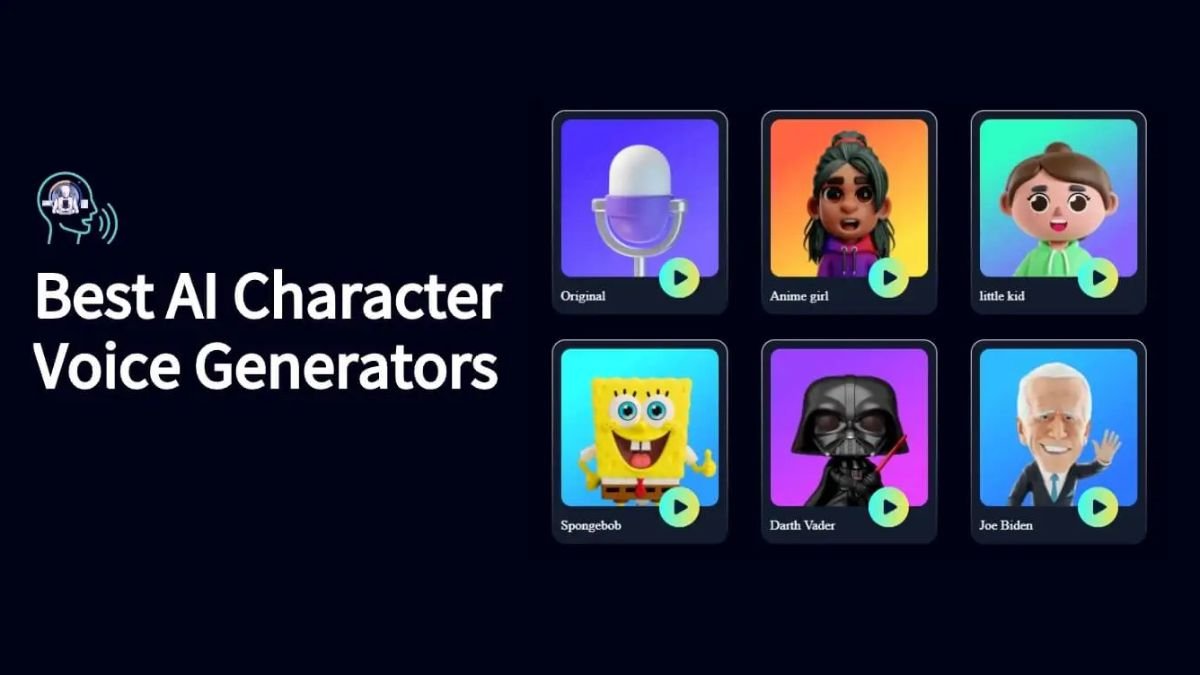
AI Voice Generator: The digital soundscape of 2026 has reached a point of technological singularity where the distinction between human speech and synthetic audio has effectively evaporated. We are no longer living in an era of robotic, monotone text-to-speech engines that struggle with basic inflection or emotional weight. Instead, the modern ai voice generator has become a sophisticated instrument of digital expression, capable of capturing the subtle nuances of a whisper, the authoritative boom of a corporate keynote, or the rhythmic cadence of a fireside storyteller. For enterprise content strategists and creative directors, this shift represents a monumental opportunity to scale audio production without the traditional bottlenecks of studio time, talent availability, or expensive post-production cycles.
As we dive into this definitive guide, we will explore the intricate architecture that allows machines to speak with the soul of a human. The rise of neural phonetic modeling and deep learning has paved the way for a new standard in accessibility and global communication. Whether you are building an immersive metaverse experience, developing localized training modules for a global workforce, or seeking to disrupt the traditional podcasting market, understanding the capabilities and limitations of an ai voice generator is essential. This article serves as your strategic roadmap, dissecting the technical foundations, ethical considerations, and market leaders that define the high-fidelity audio landscape of today.
The Evolution of Sonic Identity in a Digital-First World
The journey of synthetic audio has moved from rudimentary phoneme concatenation to the current state of generative adversarial networks that can replicate any vocal profile with terrifying accuracy. In 2026, a brand’s sonic identity is just as vital as its visual logo, and the ai voice generator provides the means to maintain that identity across thousands of touchpoints simultaneously. This evolution has been driven by the massive influx of training data and the refinement of prosody algorithms, which ensure that synthetic voices understand context rather than just reading words. When a machine knows the difference between a question asked in anger and one asked in curiosity, the potential for user engagement reaches a level of intimacy that was previously reserved for human interaction.

Strategic adoption of these tools allows organizations to bypass the logistical nightmare of traditional voiceover work while maintaining a consistent “voice of the brand” across different languages and regions. We see this manifested in everything from high-end customer service bots that exhibit genuine empathy to narrative-driven advertisements that are localized instantly for a dozen different cultures. The flexibility of an ai website builder often works in tandem with these audio tools to create holistic, multi-sensory digital experiences that resonate on a personal level with every visitor. As the cost of compute continues to drop and the quality of models continues to rise, the barrier to entry for professional-grade audio has been dismantled, leaving only the limits of our own creative strategy.
How Does an AI Voice Generator Convert Text into Natural Speech?
To answer the fundamental question of How Does an AI Voice Generator Convert Text into Natural Speech?, one must look at the transition from “synthesis by rule” to “synthesis by example.” Modern systems utilize a multi-layered neural network architecture consisting of a front-end text analyzer and a back-end neural vocoder. The front-end is responsible for linguistic analysis, where it breaks down raw text into phonetic representations, identifying parts of speech, sentence structure, and intended emphasis. This stage is crucial because it allows the system to understand that “read” is pronounced differently in the past tense versus the present, or that a period at the end of a sentence requires a downward inflection in pitch.
Once the linguistic roadmap is established, the neural vocoder takes over to generate the actual waveform of the audio. This back-end component has been trained on thousands of hours of high-quality human speech, allowing it to predict the spectral characteristics of a voice with incredible precision. The ai voice generator essentially “dreams” the sound into existence, filling in the microscopic details—the breathiness, the slight vocal fry, and the rhythmic pauses—that make a voice sound lived-in and real. This process happens in milliseconds, allowing for real-time interactions that are indistinguishable from a live conversation, effectively turning static text into a living, breathing performance that can be adjusted for tone, speed, and emotional intensity.
The Architectural Backbone of Neural Audio Synthesis
The sophistication of 2026 audio models is largely attributed to the implementation of Transformer-based architectures, which have revolutionized how machines process sequential data like speech. Unlike older models that processed sound in a linear, predictable fashion, these modern systems use “attention mechanisms” to look at a sentence as a whole before generating a single sound. This allows the ai voice generator to plan the prosody of a paragraph, ensuring that the energy builds toward a climax or softens during a parenthetical remark. This global understanding of content is what prevents the synthetic voice from sounding “lost” or disconnected from the meaning of the words it is articulating.
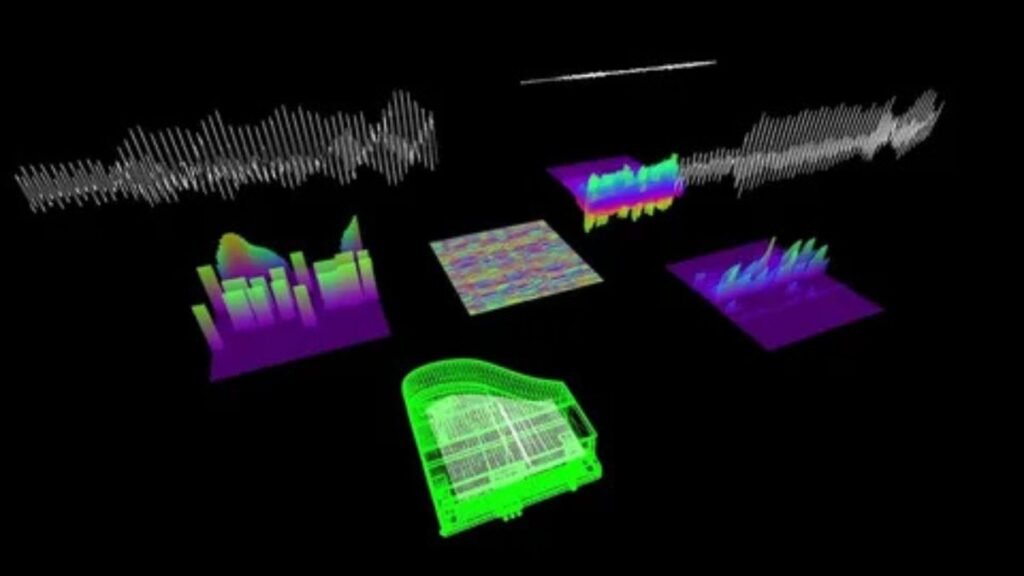
Furthermore, the integration of latent diffusion models has allowed for the creation of entirely new vocal personas that do not exist in the real world. By navigating a high-dimensional space of vocal characteristics, designers can “dial in” a specific age, gender, accent, and personality trait to create a unique voice that is perfectly aligned with their project’s requirements. This technical flexibility ensures that a company can own its synthetic talent, avoiding the risks associated with human contracts, such as aging, controversy, or availability issues. The result is a highly stable, infinitely scalable, and technically perfect audio asset that can be deployed across any digital medium with a single click.
What Is the Best AI Voice Generator for Realistic Voiceovers in 2026?
Identifying What Is the Best AI Voice Generator for Realistic Voiceovers in 2026? requires a careful look at the specific needs of the production, as the market has segmented into niche specialists. For high-end cinematic narration and long-form storytelling, the industry leaders are those who have perfected “emotional layering,” allowing the user to dictate the exact psychological state of the voice. These platforms provide a granular control panel where a director can slide a scale from “joyful” to “melancholy” or “sarcastic” to “sincere,” ensuring that the performance matches the visual content perfectly. The best tools this year are also characterized by their “zero-shot” cloning capabilities, where a five-second sample of a voice is enough to create a perfect, articulate digital twin.
In the realm of enterprise and e-learning, the top-tier ai voice generator choices are defined by their integration capabilities and multilingual fluency. These platforms offer seamless API connections that allow for the automatic generation of audio for thousands of training modules in over one hundred languages, complete with localized accents that sound authentic to native speakers. When choosing a platform, the “best” is often defined by the balance of naturalism, processing speed, and the robustness of the editing suite. As we move through 2026, the premier options are those that offer “performative editing,” where users can highlight a single word and change its pitch or duration without affecting the flow of the surrounding sentence, providing a level of control that even traditional recording sessions struggle to match.
Enterprise Applications: Scaling Audio for Global Markets
The implementation of a high-quality ai voice generator within an enterprise framework goes far beyond simple video narration; it is about creating a consistent, accessible global interface. For companies operating in dozens of countries, the ability to instantly translate and voice a corporate announcement or a product walkthrough saves millions of dollars in localization costs. This technology also serves as a vital tool for accessibility, allowing for the automatic creation of high-quality audio versions of every piece of written content, which is a key requirement for modern inclusivity standards. By making information consumable via audio, brands can reach their audience during “screen-free” times, such as during commutes or exercise, effectively increasing their total engagement hours.
In the world of customer experience, the move toward “vocal banking” has allowed companies to provide a more human touch to automated interactions. Instead of a generic assistant, a customer might interact with a voice that sounds like a trusted advisor or a friendly local representative, all generated on the fly by a cloud-based ai voice generator. This capability allows for hyper-personalization, where the AI can use the customer’s name and reference their specific history with a tone that is calibrated to the urgency of their request. The scalability of this approach means that a brand can provide the same high-level, “human” experience to one customer or one million customers simultaneously, without any degradation in quality or increase in wait times.
The Emotional Intelligence of Algorithmic Audio
One of the most striking developments in 2026 is the ability of an ai voice generator to mimic “sub-vocal” cues that signal emotional depth. These include the sound of a smile, the subtle catch in the throat during a poignant moment, or the slight increase in tempo that indicates excitement. Researchers have mapped the physiological impact of emotion on the human vocal tract and translated those findings into mathematical models that the AI can apply to its output. This means that a synthetic voice can now “act” in a way that resonates with the listener’s mirror neurons, creating a genuine emotional connection that was once thought to be the exclusive domain of biological life.
This emotional intelligence is not just a parlor trick; it is a critical component of user trust. Studies in 2026 have shown that users are significantly more likely to follow instructions or believe information when it is delivered with an appropriate emotional cadence. An ai voice generator that sounds bored or overly clinical when delivering exciting news creates a cognitive dissonance that leads to user fatigue. By contrast, a system that can accurately mirror the sentiment of the text it is reading fosters a sense of rapport and reliability. This makes these tools invaluable for mental health applications, interactive fiction, and high-stakes educational environments where the “vibe” of the delivery is just as important as the information itself.
Can an AI Voice Generator Replace Human Voice Actors?
The debate over Can an AI Voice Generator Replace Human Voice Actors? has moved from theoretical speculation to a complex reality where the answer depends on the nature of the project. For transactional, informative, or highly repetitive content—such as GPS directions, corporate training, or basic news reading—the AI has already become the standard. The efficiency, cost-effectiveness, and 24/7 availability of a synthetic voice make it the logical choice for these “low-emotion” tasks. In these sectors, the role of the human actor has largely shifted to “vocal licensing,” where performers sell the rights to their digital likeness and collect royalties without ever stepping foot in a recording booth.
However, in high-stakes creative endeavors like feature films, character-driven video games, or high-concept advertising, the human actor remains irreplaceable for their ability to provide unpredictable, lived-in performances. A human can interpret a script in a way that an ai voice generator cannot yet replicate—by bringing a lifetime of personal experience and spontaneous intuition to a role. While the AI can mimic the sound of emotion, the human actor provides the intent behind the sound, often making creative choices that surprise and delight a director. In 2026, the most successful studios are those that use a hybrid approach, leveraging AI for the “heavy lifting” of background characters and technical instructions while reserving human talent for the emotional core of the narrative.
Ethical Soundscapes: Deepfakes and Digital Identity
With the immense power of a modern ai voice generator comes a significant responsibility regarding the security of digital identity and the prevention of audio misinformation. We have entered an era where “voice phishing” and deepfake audio can be used to bypass biometric security or manipulate public opinion. To counter these threats, the industry has implemented rigorous “audio watermarking” and blockchain-based verification systems to ensure that every synthetic clip can be traced back to its origin. Responsible developers of these tools now require proof of consent before a voice can be cloned, protecting the intellectual property and “vocal autonomy” of individuals from unauthorized exploitation.
The ethical conversation also extends to the “democratization of influence.” If anyone can use an ai voice generator to sound like a world-class orator or a beloved celebrity, the value of the “authentic voice” becomes a primary concern for consumers. Transparency has become the gold standard; ethical content creators now include metadata or visual disclosures indicating when a voice is synthetic. This builds a foundation of trust with the audience, allowing them to enjoy the benefits of AI-driven audio while remaining informed about the nature of the content they are consuming. As we move forward, the legal frameworks surrounding “vocal property rights” will continue to evolve, ensuring that the technology serves as a tool for empowerment rather than a weapon for deception.
2026 AI Voice Technology Comparison Table
| Capability Feature | Basic TTS Engine | Advanced AI Voice Generator | Professional Vocal Clone |
|---|---|---|---|
| Natural Inflection | Limited/Robotic | High/Context-Aware | Near-Perfect/Indistinguishable |
| Emotional Range | None | 5-10 Preset Emotions | Full Dynamic Range |
| Language Support | 10-20 Major Languages | 100+ with Accents | Any Language (Source Dependent) |
| Production Speed | Instant | Seconds | Near-Real-Time |
| Control Granularity | Speed/Pitch Only | Tone/Stress/Emotion | Waveform-Level Editing |
| Best Use Case | Accessibility Tools | Marketing & Training | Creative Narration & Brand ID |
Export to Sheets
“The voice is the window to the soul, and for the first time in history, we have learned how to build that window out of data. The challenge for 2026 is not making the machine sound human, but making sure the human behind the machine has something worth saying.” — Marcus Thorne, Lead Architect at SonicGen Labs.
Cost Analysis and Scaling Your Audio Strategy
When evaluating the financial impact of integrating an ai voice generator into your workflow, the return on investment is often immediate and substantial. Traditional voiceover production involves a chain of expenses: hiring talent, booking a sound-isolated studio, paying an engineer, and the lengthy process of editing and retakes. With an AI-driven approach, these costs are flattened into a predictable subscription or usage-based model. For an enterprise producing a hundred hours of content a month, the savings can reach into the hundreds of thousands of dollars per year. More importantly, the “opportunity cost” of waiting days or weeks for a recording is eliminated, allowing for a “real-time” content strategy that can respond to market trends in minutes.
Scaling this strategy requires a shift in how content is planned and executed. Instead of writing for a single voice, creators can write for a “vocal library,” assigning different personas to different sections of a project to maintain listener interest. A sophisticated ai voice generator allows for “batch processing,” where entire catalogs of legacy text can be converted into high-quality audio overnight. This allows companies to unlock the value of their existing written archives, turning old blog posts, manuals, and reports into a new stream of consumable audio content. In the attention economy of 2026, the ability to repurpose and scale audio content so efficiently is a massive competitive advantage that defines the winners of the digital marketplace.
Future-Proofing Content with Voice Cloning Technology
The most forward-thinking application of the modern ai voice generator is the concept of “perpetual legacy” through voice cloning. Executives, thought leaders, and creative icons are now proactively “banking” their voices while they are at their peak performance levels. This digital clone can then be used to voice future content, books, or interactive experiences long after the individual is unable to perform. This is not just about vanity; it is about brand continuity and the ability for a leader to “speak” to their organization at scale without the physical toll of constant recording. These clones are secured with high-level encryption, ensuring that only authorized parties can activate the synthetic version of the voice.
This technology also allows for the “vocal translation” of a single persona. A CEO can deliver a speech in English, and the ai voice generator can reproduce that exact voice, with its unique timbre and personality, speaking fluent Mandarin, Spanish, or Arabic. This maintains the “human connection” across borders, as employees in different regions hear the message in their leader’s actual voice rather than a generic translator. As we look toward the 2030s, this ability to decouple the voice from the physical body will redefine our understanding of presence and communication. By future-proofing your audio strategy today, you are ensuring that your brand remains vocal, recognizable, and influential in an increasingly crowded and automated world.
Conclusion
The rise of the ai voice generator represents one of the most profound shifts in human-computer interaction since the invention of the graphical user interface. We have moved from a world where we had to learn the language of machines to a world where machines have learned the music of our voices. This technology is no longer a futuristic novelty; it is a fundamental pillar of modern content strategy, a vital tool for accessibility, and a powerful engine for global commerce. By embracing the power of synthetic audio, we are not just saving time and money; we are expanding the reach of our stories and the impact of our ideas across a world that is increasingly hungry for high-quality, audible content.
As you integrate these tools into your own enterprise or creative projects, remember that the technology is a collaborator, not a replacement for the human spirit. The most successful audio projects of 2026 will be those that use the ai voice generator to enhance human creativity, to reach more people, and to tell more diverse stories. The future of sound is no longer limited by the physical constraints of a recording studio; it is limited only by our ability to imagine what a voice can do. Now is the time to find your brand’s digital voice and start orchestrating the sonic landscape of tomorrow, one perfectly synthesized word at a time.
FAQs
Is an AI voice generator easy for a non-technical person to use?
Modern ai voice generator platforms are designed with highly intuitive, user-friendly interfaces that require no technical background. Most function like a simple text editor where you paste your script, select a voice persona from a library, and click “generate,” making professional audio production accessible to marketers, teachers, and small business owners alike.
How do I ensure the voice sounds truly natural and not robotic?
To achieve a natural sound, you should use an ai voice generator that supports SSML (Speech Synthesis Markup Language) or provides visual “prosody editors.” These tools allow you to manually add pauses, adjust the emphasis on specific words, and control the emotional tone, which helps the AI understand the subtext and rhythmic flow of your specific message.
Can I use an AI voice generator to clone my own voice?
Yes, most high-end ai voice generator services now offer “voice cloning” features that allow you to create a digital version of your own voice. By uploading a few minutes of clear audio of yourself speaking, the AI can learn your unique vocal patterns and allow you to generate new audio that sounds exactly like you, which is perfect for personal branding or scaling your own content.
Are there legal issues with using an AI voice generator for commercial work?
Generally, as long as you use a reputable ai voice generator and adhere to their licensing terms, commercial use is perfectly legal. However, you must have the rights to any voice you attempt to clone, and many platforms have strict “terms of service” that prohibit using the technology to impersonate individuals without their explicit, documented consent.
Does an AI voice generator work in languages other than English?
The premier ai voice generator platforms of 2026 support over 100 languages and a vast array of regional accents. These systems are trained on global datasets, meaning they don’t just “translate” but actually understand the unique phonetic and cultural nuances of languages like Japanese, Arabic, and Brazilian Portuguese, providing an authentic listening experience for global audiences.