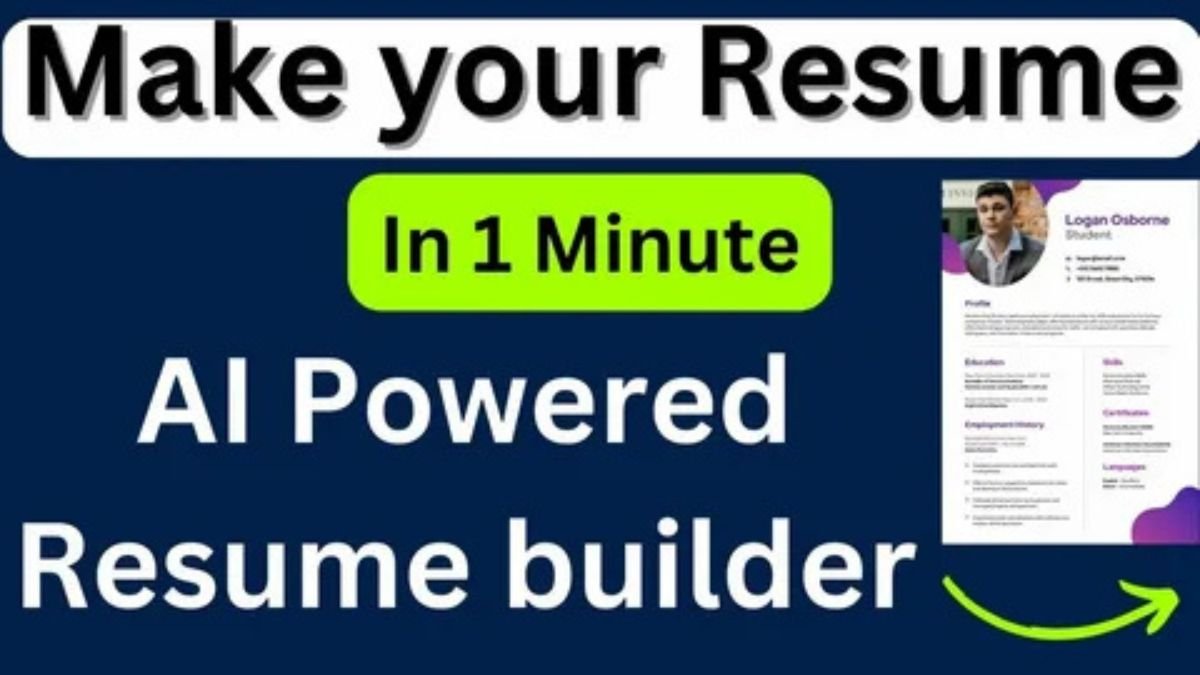
AI Resume Builder: The professional landscape of 2026 has undergone a radical transformation, driven by the seamless integration of artificial intelligence into every facet of the recruitment lifecycle. As companies deploy increasingly sophisticated algorithms to sift through thousands of applications, the traditional, static resume has become a relic of the past. Today, candidates must navigate a complex digital ecosystem where visibility is determined by semantic relevance, structural integrity, and the strategic use of data-driven narratives. This shift has necessitated the rise of the ai resume builder, a tool that does more than just format text; it serves as a strategic partner in translating a professional’s life work into a language that both machines and humans can appreciate. By leveraging high-level natural language processing and deep learning models, these platforms allow individuals to present their career trajectories with a level of precision that was previously impossible for the average job seeker to achieve on their own.
Successfully landing a high-tier position now requires a deep understanding of how information is consumed by modern Applicant Tracking Systems (ATS) and human recruiters alike. An ai resume builder provides the necessary bridge between raw experience and optimized output, ensuring that every bullet point and summary statement is engineered for maximum impact. This guide explores the depths of this technology, moving beyond simple templates to examine the enterprise-level strategies that define modern career documentation. We will analyze the mechanics of algorithmic sorting, the importance of topical authority in professional branding, and the ethical considerations of using automated tools to represent one’s unique identity. Whether you are a seasoned executive or an emerging professional, understanding the nuances of AI-driven resume creation is no longer optional—it is the foundational requirement for career longevity in a competitive, tech-forward global economy.
The Evolution of Job Applications and Digital Identity
The journey from paper resumes to AI-generated career portfolios represents one of the most significant shifts in professional history. Historically, a resume was a passive document, a mere list of dates and titles that sat in a filing cabinet until a human eyes landed upon it. In the current era, your digital identity is an active participant in the job market, constantly being scanned, indexed, and ranked by automated systems that prioritize specific keywords and contextual achievements. An ai resume builder functions as a dynamic interface for this environment, allowing candidates to update their profiles in real-time to align with shifting industry demands and the specific linguistic patterns found in high-value job descriptions. This evolution has moved the focus away from generic self-promotion toward a more structured, data-centric approach to storytelling.
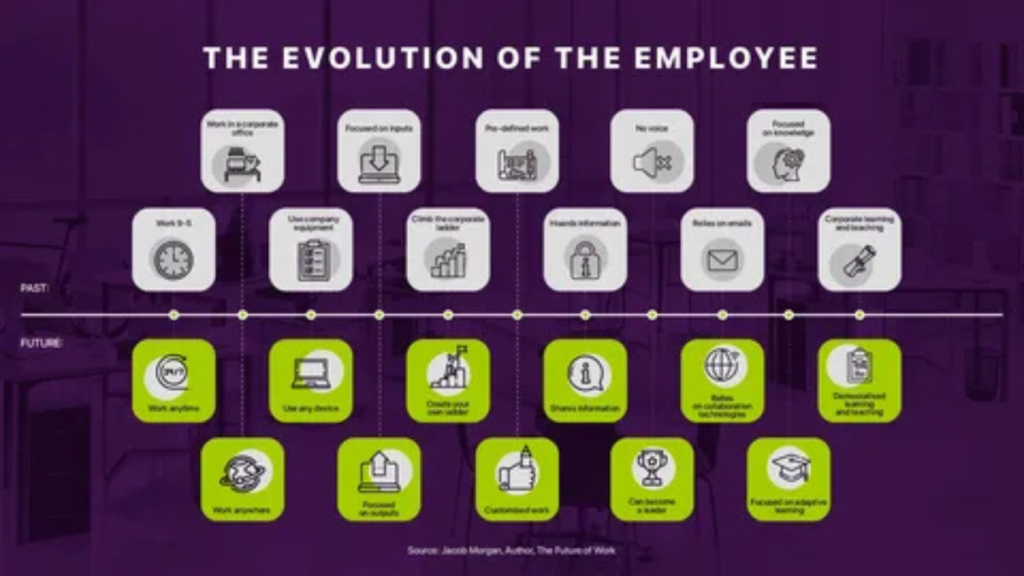
As we move deeper into 2026, the concept of a “one-size-fits-all” document has been entirely discarded in favor of hyper-personalized content. The modern recruitment cycle values specificity and the ability to demonstrate immediate ROI to a potential employer. By utilizing an ai resume builder, professionals can dissect their history to find the most relevant threads that connect their past performance to a company’s future needs. This level of granular optimization was once the exclusive domain of high-priced career coaches, but it is now accessible to anyone with the right technological tools. The result is a more efficient marketplace where talent is discovered based on merit and alignment rather than just the aesthetic quality of their document.
The Mechanics of Modern AI Writing in Career Services
The underlying technology of an ai resume builder relies on advanced neural networks that have been trained on millions of successful job descriptions and resumes. These systems do not simply suggest synonyms; they understand the hierarchical relationship between different skills and how certain accomplishments correlate with career progression in specific sectors. When a user inputs their raw data, the AI analyzes the “intent” behind the experience, identifying latent semantic indexing (LSI) terms that help the resume rank higher in specialized search queries used by recruiters. This ensures that the final document is not only readable by humans but is also mathematically optimized for the scoring systems that define modern hiring.
Beyond simple keyword matching, these tools utilize sentiment analysis and tone adjustment to ensure the language remains professional yet accessible. A sophisticated ai resume builder can detect if a resume is too passive or if it lacks the quantitative data necessary to prove expertise. It prompts the user to provide specific metrics—such as percentage growth, budget management figures, or team size—which are then woven into the narrative to build authority. This symbiotic relationship between human input and machine refinement creates a document that is authentic to the individual’s experience while meeting the rigorous standards of enterprise-level recruitment. It is this balance of narrative flow and technical precision that distinguishes a top-tier application from a generic submission.
What Is the Best AI Resume Builder for Creating a Professional CV in 2026?
Determining What Is the Best AI Resume Builder for Creating a Professional CV in 2026? requires looking beyond basic design features and focusing on the depth of the underlying intelligence. The leading platforms this year are those that offer multi-dimensional optimization, including real-time ATS compatibility scoring, industry-specific terminology suggestions, and the ability to generate cover letters that perfectly mirror the resume’s tone. These top-tier tools also integrate with professional social networks to ensure cross-platform consistency, which is vital for maintaining a strong personal brand. The best builders prioritize user privacy while providing an intuitive interface that simplifies the complex task of aligning one’s history with the future of work.
When evaluating these tools, the focus should be on their capacity for “contextual intelligence.” This means the builder should understand that a project manager in the tech sector requires a different linguistic framework than a project manager in the construction industry. The premier ai resume builder options of 2026 offer high-fidelity templates that are clean and modern, avoiding the over-designed layouts that often confuse OCR (Optical Character Recognition) software. By choosing a platform that emphasizes structural clarity and strategic content generation, professionals can ensure that their CV stands out for its substance rather than just its style. Ultimately, the best tool is the one that empowers the user to tell their story with maximum clarity and data-backed authority.
How Does an AI Resume Builder Improve Your Chances of Getting Hired?
Understanding How Does an AI Resume Builder Improve Your Chances of Getting Hired? involves looking at the mathematics of the modern hiring funnel. Most large-scale employers use automated filters to reduce a pool of thousands of applicants to a manageable few dozen. An ai resume builder uses the same logic as these filtering systems to ensure your document contains the specific structural markers and keyword densities required to pass the initial screening. By identifying and highlighting the exact skills that a specific job description prioritizes, the AI increases the statistical probability that your resume will be flagged for human review. This is not about “gaming the system” but rather about ensuring that your genuine qualifications are not lost in the digital noise.
Furthermore, these tools help eliminate common human errors that can lead to immediate rejection, such as inconsistent formatting, grammatical slips, or poor chronological flow. By providing a structured framework, the ai resume builder ensures that the most important information is positioned where recruiters typically look first. The AI also assists in crafting “achievement-oriented” bullet points that emphasize impact over mere responsibilities, which is a key differentiator in high-level hiring. When a candidate presents a document that is both technically perfect and narratively compelling, they project a level of professional polish that immediately builds trust with a potential employer. This combination of visibility and credibility is the primary driver of success in the 2026 job market.
Can an AI Resume Builder Really Beat Traditional Resume Writing Methods?
When asking Can an AI Resume Builder Really Beat Traditional Resume Writing Methods?, the answer lies in the speed and scale of modern career transitions. Traditional methods, which often involve manual editing and a reliance on outdated templates, are simply too slow and rigid for today’s fast-moving economy. A human writer, while capable of great nuance, cannot match an AI’s ability to instantly cross-reference a resume against thousands of data points or to generate ten different versions of a resume for ten different job applications in a matter of minutes. The AI doesn’t replace the human’s story; it provides a superior delivery mechanism for that story, ensuring it reaches the right audience in the right format.
While some purists argue that traditional methods offer a more personal touch, the reality is that an ai resume builder provides a more objective assessment of a candidate’s strengths. Humans are often prone to under-selling their achievements or using vague language that fails to capture their true value. AI, by contrast, is programmed to look for the specific markers of success that industries currently demand. By combining the emotional intelligence of the applicant with the data-driven precision of the machine, the result is a document that is more effective than anything produced through manual effort alone. In 2026, the question is no longer whether AI is better, but how quickly a professional can learn to harness its power to gain a competitive edge.
The Role of Natural Language Processing in Career Authority
Natural Language Processing (NLP) is the engine that drives the most effective career tools of our time. In the context of an ai resume builder, NLP allows the software to understand the nuances of professional language, distinguishing between “managing a team” and “leading a cross-functional department through a merger.” This distinction is crucial for establishing authority in a specific field. The AI analyzes the verb choices, the complexity of the sentence structures, and the presence of industry-specific jargon to ensure the user sounds like a seasoned expert. This linguistic alignment is often what separates a “good” candidate from an “essential” one in the eyes of an executive recruiter.
Moreover, NLP enables these platforms to provide real-time feedback on the “readability” of a resume. If a section is too dense or uses too much passive voice, the AI can suggest alternatives that maintain the professional tone while increasing the impact of the message. This iterative process helps the user refine their professional narrative until it is as sharp and persuasive as possible. By utilizing an ai resume builder that understands the deeper mechanics of language, job seekers can communicate their value proposition with a level of sophistication that resonates on both a logical and emotional level with the hiring manager. This creates a lasting impression that goes beyond the mere facts of the resume.
Personalization and the Strategic Human Touch
Despite the power of automation, the most successful resumes in 2026 are those that maintain a clear sense of human identity. An ai resume builder is at its best when it acts as a collaborator rather than a replacement for the individual. The goal is to use the AI to handle the structural and optimization tasks while the user provides the unique anecdotes and personal values that make them stand out. This hybrid approach ensures that the resume doesn’t feel robotic or “uncanny,” but rather like a polished version of the candidate’s best self. Personalization is the key to bypassing the skepticism that some recruiters feel toward purely AI-generated content.
Effective personalization involves more than just putting your name at the top of the page; it involves tailoring the summary and the “core values” section to reflect the specific culture of the target company. A high-quality ai resume builder can analyze a company’s public-facing content—such as their mission statement or recent press releases—and suggest ways to align the resume’s narrative with those values. This creates a sense of “cultural fit” that is highly prized by modern organizations. When the machine-driven optimization is layered over a foundation of genuine human experience, the resulting document is a powerful tool for career advancement that feels both modern and authentic.
Navigating Applicant Tracking Systems with Technical Precision
The modern Applicant Tracking System is a formidable gatekeeper that uses complex algorithms to rank candidates before a human even sees their name. To navigate this successfully, a candidate must understand that an ATS doesn’t “read” a resume the same way a person does; it parses the data into specific fields and looks for matches against a set of predetermined criteria. An ai resume builder is specifically designed to output files that are easily parsable, avoiding the complex graphics, sidebars, and non-standard fonts that frequently break ATS logic. This technical precision ensures that your data is correctly categorized, meaning your years of experience and education levels are accurately recognized by the system.
Furthermore, these builders often include an “ATS simulator” feature that allows users to see exactly how their resume will appear to a recruiter. This transparency is invaluable, as it reveals any potential “dead zones” where information might be getting lost or misinterpreted. By using an ai resume builder, you can proactively address these issues, adjusting the density of your keywords or the layout of your skills section to improve your ranking. In a world where 75% of resumes are never even seen by a human recruiter, this level of technical optimization is the difference between a successful application and a missed opportunity. It is about speaking the language of the machine to ensure your human voice is eventually heard.
Industry-Specific Customization and Niche Authority
Every industry has its own “lexicon of success,” and a general-purpose resume often fails to capture the specific markers of authority required in niche fields. An ai resume builder addresses this by offering specialized modules for different sectors, from biotechnology and fintech to creative arts and non-profit management. These modules come pre-loaded with the specific LSI terms and performance metrics that are most valued in those environments. For instance, a nurse’s resume needs to emphasize patient outcomes and certifications, while a software engineer’s profile must highlight specific languages, frameworks, and GitHub contributions.
This level of customization allows the candidate to present themselves as a “topical authority” within their specific domain. The AI helps identify which certifications are most relevant and how to frame projects to show mastery of industry-standard tools. By using an ai resume builder, a professional can ensure they aren’t just a “jack of all trades” but a specialized expert who understands the unique challenges of their chosen field. This specificity builds immediate credibility and makes it much easier for a recruiter to see exactly how the candidate will fit into a specialized team. It transforms the resume from a general history into a targeted business proposal.
Comparison of AI vs. Traditional Resume Building in 2026
| Feature | Traditional Manual Method | AI Resume Builder (2026) |
|---|---|---|
| Optimization Speed | Hours to days for one version | Minutes for multiple versions |
| ATS Compatibility | Often hit-or-miss / Trial and error | Built-in validation and parsing |
| Keyword Strategy | Limited to manual research | Real-time LSI and semantic analysis |
| Formatting | High risk of errors and breaks | Structured, standardized, and clean |
| Content Quality | Subjective and often passive | Objective, data-driven, and active |
| Scalability | Difficult to customize for many roles | Hyper-personalization at scale |
Export to Sheets
“The true power of AI in the job market isn’t just about efficiency; it’s about the democratization of career opportunity. When every professional has access to high-level strategic optimization, the focus shifts back to what truly matters: the candidate’s actual talent and their potential to drive impact.” — Dr. Helena Voss, Chief Strategist at Global Talent Analytics.
Ethical Considerations and Authenticity in AI-Generated Content
As we embrace the ai resume builder, we must also navigate the ethical landscape of automated self-representation. The primary concern is maintaining the boundary between optimization and fabrication. While AI can help you phrase your achievements more effectively, it should never be used to invent skills or experiences that you do not possess. Most sophisticated recruitment systems now include “AI-checkers” or verification stages that can detect if a resume is fundamentally dishonest. Authenticity remains the most valuable currency in the job market, and the role of AI should be to polish the truth, not to create a convenient fiction.
Transparency with oneself is equally important. When you use an ai resume builder, you must be prepared to speak to every point included in the final document during an interview. If the AI has used complex technical terminology to describe a project, you must ensure you have the underlying knowledge to back it up in a live conversation. Ethics in AI resume writing also involves being aware of bias; occasionally, algorithms may reflect the biases found in their training data. Users should review their AI-generated content to ensure it accurately reflects their unique perspective and does not inadvertently strip away the personality and diverse experiences that make them a valuable hire.
Conclusion
The rise of the ai resume builder marks a permanent shift in how we approach our professional lives. In 2026, the document you use to apply for a job is no longer just a list of where you have been; it is a sophisticated piece of marketing collateral designed to function in a high-tech ecosystem. By embracing these tools, professionals can move beyond the frustration of the “black hole” application process and begin to engage with employers on a level playing field. The technology allows us to strip away the administrative burdens of job hunting and focus on the strategic alignment of our skills with the world’s most pressing challenges.
Ultimately, the goal of any career documentation is to facilitate a human connection. While the ai resume builder provides the data, the structure, and the optimization, it is the user who provides the passion and the vision. As we look toward the future, the most successful individuals will be those who view AI as a powerful ally—a tool that enhances their visibility and highlights their expertise in a crowded market. By mastering the art of AI-assisted resume building, you are not just preparing for your next job; you are future-proofing your career in an era where the only constant is change.
FAQs
What is the primary benefit of using an AI resume builder?
The primary benefit of using an ai resume builder is its ability to align your professional experience with the specific algorithmic requirements of modern Applicant Tracking Systems. By using data-driven insights, the tool ensures your resume is discoverable, properly formatted, and contains the semantic keywords that recruiters are actively searching for, significantly increasing your chances of getting a human review.
Is an AI-generated resume distinguishable from a human-written one?
When used correctly, a resume created with an ai resume builder should be indistinguishable from a top-tier professional document, as it maintains a natural, expert, and conversational tone. The goal is to use the AI to refine your own words and experiences, ensuring the final product sounds authentic while benefiting from machine-level optimization and structural perfection.
How often should I update my resume using AI tools?
You should use an ai resume builder to update your resume for every specific job application to ensure maximum relevance to each role. Because the tool can quickly analyze different job descriptions and adjust your content accordingly, hyper-personalization becomes a low-effort, high-reward strategy that keeps your professional profile evergreen and competitive.
Can an AI resume builder help with career changes or pivots?
Yes, an ai resume builder is exceptionally effective for career pivots because it can identify transferable skills and reframe them using the terminology of your target industry. It helps bridge the gap between your past roles and your future goals by highlighting the underlying competencies that make you a strong candidate in a new field, even if your job titles don’t perfectly align.