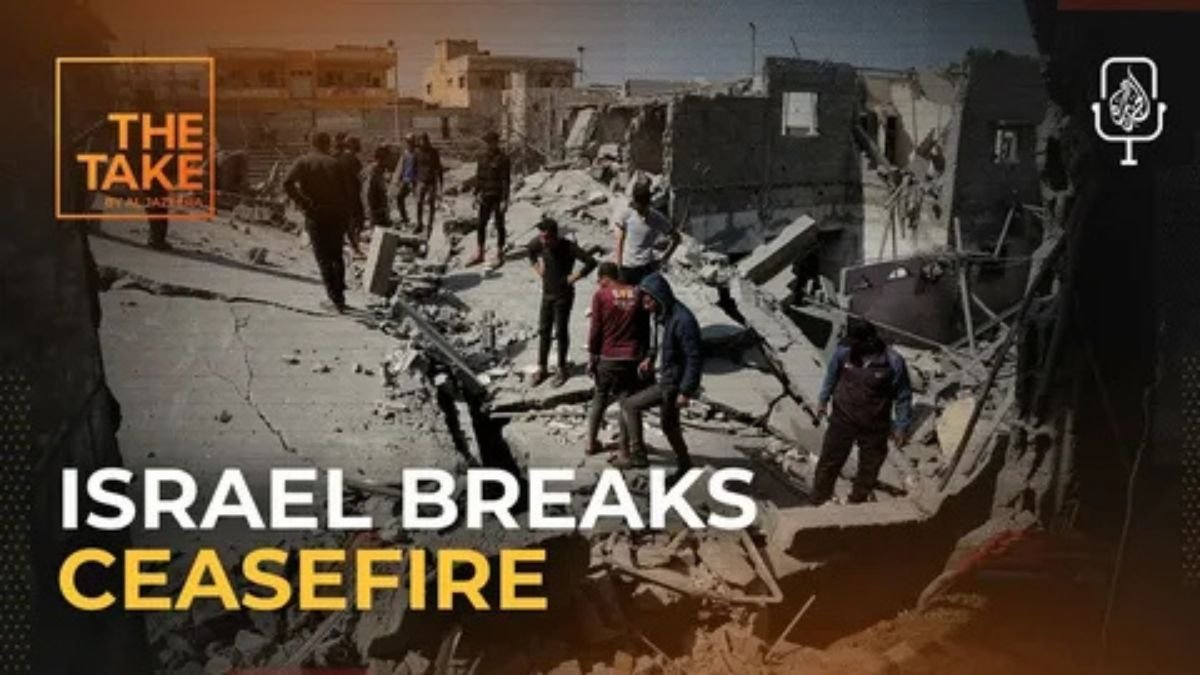
Israel Breaks Ceasefire 2026: The dynamics of Middle Eastern diplomacy represent one of the most intricate geopolitical puzzles of the modern era, where momentary pauses in conflict can shift into renewed hostilities without warning. Understanding the underlying mechanisms of these temporary truces requires a deep dive into historical precedents, military strategies, and the delicate balance of international relations.
When negotiations stall and military operations resume, the consequences ripple far beyond local borders, affecting global markets, international law, and widespread humanitarian efforts. This comprehensive analysis explores the multifaceted variables that come into play when Israel breaks ceasefire agreements, shedding light on the broader implications for regional stability, proxy conflicts, and the ongoing quest for sustainable peace.
The Strategic Triggers That Precede Escalation
Analyzing the timeline of regional conflicts reveals a consistent pattern of strategic triggers that often emerge right before Israel breaks ceasefire protocols. Military intelligence plays a foundational role during temporary pauses, as armed forces on all sides use the cessation of hostilities to assess opponent vulnerabilities, reposition assets, and gather critical logistical data. When diplomatic negotiations reach a definitive impasse—often over terms regarding prisoner exchanges, troop withdrawals, or border control—the transition from a diplomatic holding pattern back to active engagement is usually swift and highly calculated to maximize the element of surprise.
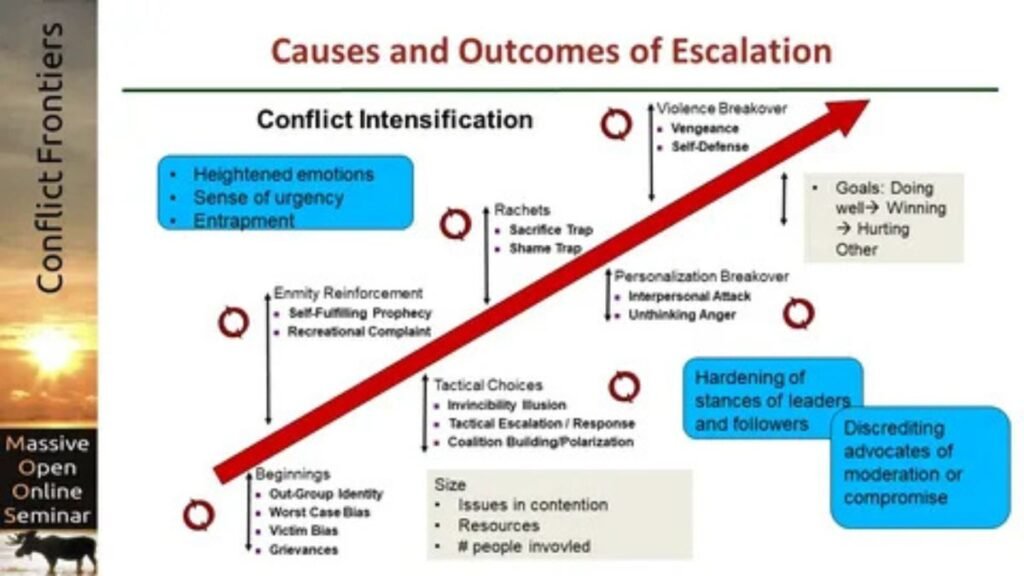
The decision to resume military operations is rarely made in a vacuum; it is deeply intertwined with domestic political pressures, intelligence reports regarding imminent threats, and the perceived readiness of opposing factions. Defense ministries often argue that prolonged pauses allow militant groups to rearm and fortify their positions, presenting an unacceptable risk to national security. Consequently, the threshold for declaring a truce violation is incredibly sensitive, meaning that even localized skirmishes or stalled diplomatic communications can serve as the catalyst for a full-scale resumption of hostilities.
Analyzing the Historical Fragility of a Gaza Ceasefire
The historical track record of diplomatic interventions in the Palestinian territories underscores the profound fragility of a gaza ceasefire, which is frequently undermined by deep-seated mistrust and incompatible strategic goals. Over the years, numerous internationally brokered truces have successfully paused active combat, allowing for crucial humanitarian aid to enter devastated zones and facilitating complex hostage or prisoner exchanges. However, these agreements often lack the robust enforcement mechanisms necessary to transition a temporary pause into a permanent cessation of violence, leaving the door open for rapid escalation.
When examining the cyclical nature of these conflicts, it becomes evident that a temporary halt to fighting rarely resolves the fundamental territorial, political, and human rights issues at the core of the dispute. Disagreements over the prolonged presence of military forces in critical corridors, the reconstruction of civilian infrastructure, and the blockade of borders consistently erode the foundation of any negotiated truce. As a result, observers frequently note that whenever Israel breaks ceasefire terms, it is typically the culmination of weeks of mounting friction over these unresolved, structural grievances that neither side was willing to concede.
Regional Domino Effects and the Broader Iran Ceasefire Context
The interconnected nature of Middle Eastern geopolitics dictates that localized escalations inevitably trigger broader regional domino effects, drawing in neighboring nations and global superpowers alike. The delicate balance of power in the region is heavily influenced by the presence of proxy forces, meaning that a breakdown in localized truces can instantly elevate tensions across multiple distinct theaters of operation. This reality highlights the critical importance of concurrent diplomatic efforts, such as the fragile iran ceasefire regarding broader regional airstrikes, which serves as a barometer for the overall stability of the entire Middle East.
When military actions resume in one territory, the immediate consequence is often a heightened alert status among allied proxy groups across borders, leading to a dangerous escalation ladder. Strategic waterways, neighboring borders, and international airspace become heavily contested zones, complicating diplomatic efforts and threatening global supply chains. Consequently, military analysts closely monitor the situation when Israel breaks ceasefire agreements, knowing that the resulting shockwaves can instantly compromise parallel diplomatic negotiations and force international actors to recalibrate their entirely regional defense postures.
The Role of International Diplomacy in an Israel Ceasefire
Securing an israel ceasefire relies heavily on the relentless mediation efforts of international diplomats, who must navigate a labyrinth of competing national interests, historical grievances, and immediate security concerns. Global mediators from the United Nations, alongside regional power brokers, frequently deploy specialized envoys to facilitate indirect negotiations, attempting to bridge the massive communication gaps between warring factions. These diplomatic channels are essential not only for drafting the initial terms of a pause but also for establishing the crucial verification mechanisms required to ensure compliance from all involved parties.
Despite the monumental efforts invested in these diplomatic frameworks, the enforcement of terms remains an incredibly daunting challenge on the ground, where localized commanders may interpret agreements differently than their political leaders. The international community often responds with immediate diplomatic condemnation and emergency summit meetings when hostilities unexpectedly resume, desperately attempting to salvage the remnants of the peace framework.
| Diplomatic Phase | Strategic Focus | Common Disruption Factors | Regional Impact |
|---|---|---|---|
| Negotiation | Hostage release and aid delivery | Disagreements on troop withdrawal | High anticipation |
| Implementation | Sustained cessation of hostilities | Intelligence gathering and skirmishes | Fragile stability |
| Escalation | Resumption of targeted operations | Shifts in domestic political pressure | Severe regional tension |
Export to Sheets
Understanding the Intelligence Gathering Phase During Pauses
A frequently overlooked aspect of temporary truces is the intense, silent war of intelligence gathering that occurs while active combat operations are officially suspended. Modern warfare relies heavily on real-time data, and both state militaries and asymmetric armed groups utilize the quiet periods of a ceasefire to deploy surveillance drones, monitor communication networks, and map out shifting strategic landscapes. This high-stakes information gathering is crucial for recalibrating targeting systems and updating threat assessments, ensuring that forces are optimally prepared if the diplomatic process ultimately collapses.
Because of this intense surveillance environment, military commanders remain on high alert, interpreting even minor movements by opposing forces as potential breaches of the agreed-upon terms. This atmosphere of hyper-vigilance creates a volatile environment where the lines between defensive repositioning and offensive preparation become dangerously blurred. Therefore, the strategic calculus shifts dramatically just before Israel breaks ceasefire conditions, as commanders rely on this newly acquired intelligence to execute surprise operations designed to preemptively neutralize newly identified threats.
Humanitarian Consequences and the Disruption of Aid
The immediate humanitarian fallout is catastrophic when the delicate balance of peace fails, instantly halting the critical delivery of life-saving resources to vulnerable civilian populations. During a truce, humanitarian organizations race against time to repair damaged infrastructure, deliver massive quantities of food and medicine, and facilitate emergency medical evacuations from heavily contested zones. The logistics of moving these supplies require secure corridors, predictable safety guarantees, and immense coordination between international relief agencies and local authorities, all of which evaporate the moment hostilities resume.
When Israel breaks ceasefire agreements and resumes aerial or ground operations, border crossings are typically sealed immediately, leaving massive convoys of international aid stranded at the perimeter. The sudden resumption of heavy shelling and urban combat traps civilians in crossfires, collapses temporary medical facilities, and triggers terrifying waves of mass displacement.
“The unprecedented devastation requires massive and immediate international relief and rehabilitation, beginning with this ceasefire. The international community must address the root causes of this decades-long conflict and pursue a just resolution in alignment with international law.”
Internal Political Pressures Driving Military Decisions
The strategic decisions made by government leaders during wartime are inevitably shaped by intense internal political pressures, coalition dynamics, and the demands of an anxious electorate. In highly polarized political environments, leaders face constant scrutiny from hardline factions within their own governments, who frequently view diplomatic concessions or prolonged pauses as unacceptable signs of weakness. These internal factions often threaten to dissolve ruling coalitions or withdraw vital political support unless definitive, forceful military objectives—such as the total eradication of opposing militant structures—are aggressively pursued.
Simultaneously, massive public demonstrations and domestic advocacy groups place immense pressure on leadership to prioritize the safe return of hostages and the restoration of national security at any cost. This creates a deeply complex tightrope for political leaders to walk, balancing the international demands for restraint with the domestic appetite for decisive victory. Ultimately, domestic survival often outweighs international condemnation, heavily influencing the strategic calculus when Israel breaks ceasefire protocols to appease internal security demands and project strength to its populace.
The Economic Fallout of Renewed Regional Hostilities
The economic shockwaves generated by the collapse of peace agreements extend far beyond the immediate zones of conflict, impacting global markets, energy prices, and international trade routes. The Middle East serves as a critical artery for global energy supplies, and any sudden escalation in violence immediately triggers intense volatility in global oil and natural gas markets, raising costs for consumers worldwide. Furthermore, the disruption of vital maritime shipping lanes forces commercial vessels to take longer, more expensive routes, exponentially increasing global supply chain costs and fueling international inflation.

Locally, the economic devastation is absolute, as the resumption of warfare instantly vaporizes any nascent efforts at economic recovery or infrastructure reconstruction that began during the truce. Billions of dollars in international development pledges are frozen, local businesses remain shuttered, and the workforce is entirely displaced by the urgent need for physical survival. Consequently, every time Israel breaks ceasefire conditions, the financial burden of future reconstruction multiplies exponentially, creating a generational economic crater that will require unprecedented global financial intervention to eventually repair.
Media Perspectives and Global Information Warfare
In the modern era of instant digital communication, the battle for the global narrative is fought just as fiercely as the physical conflict on the ground, with both sides utilizing sophisticated media strategies. State-sponsored media, independent journalists, and decentralized social media networks clash constantly to define the motivations, casualties, and ethical justifications surrounding the collapse of a truce. This intense information warfare aims to sway international public opinion, secure diplomatic backing, and justify the immense human cost of renewed military operations to a deeply divided global audience.
When hostilities abruptly resume, conflicting reports immediately flood international news wires, with each faction blaming the other for the initial violation of the agreed-upon terms. Fact-checking organizations and international observers struggle to verify claims amidst the chaos of active combat, power outages, and restricted journalistic access. Therefore, the narrative established in the crucial hours after Israel breaks ceasefire agreements plays a massive role in determining whether the international community responds with immediate sanctions, urgent mediation, or passive observation.
The Influence of Global Superpowers on Middle Eastern Stability
The geopolitical landscape of the Middle East is irrevocably shaped by the immense influence, financial backing, and military support provided by global superpowers. Nations like the United States, alongside major European and Asian powers, invest heavy political capital in brokering peace agreements, utilizing their massive economic leverage to compel warring factions to the negotiating table. The deployment of international carrier strike groups, the provision of advanced missile defense systems, and the threat of severe economic sanctions are all tools utilized by these global actors to maintain a fragile regional equilibrium.
However, the strategic priorities of these superpowers frequently shift based on their own domestic elections, broader geopolitical rivalries, and changing global energy demands. When a regional actor senses a shift in superpower backing or a momentary lapse in international attention, they may calculate that the diplomatic cost of resuming warfare is temporarily acceptable. This complex web of international alliances means that the moment Israel breaks ceasefire arrangements, the diplomatic fallout instantly reverberates through the halls of the United Nations and the defense departments of every major global power.
Asymmetric Warfare Tactics and Operational Shifts
The resumption of conflict following a temporary pause often highlights the rapid evolution of asymmetric warfare tactics employed by non-state actors against highly advanced conventional militaries. Lacking heavy armor and advanced air forces, militant groups rely heavily on complex subterranean tunnel networks, repurposed commercial drone technology, and dense urban terrain to neutralize the technological superiority of state militaries. During a truce, these groups intensely study the deployment patterns of conventional forces, adapting their guerrilla tactics to exploit newly discovered vulnerabilities and maximize disruption.
Conventional militaries respond to these asymmetric threats by heavily modifying their own operational doctrines, relying on overwhelming aerial bombardments, advanced artificial intelligence targeting systems, and highly specialized urban combat units. This deadly game of tactical adaptation ensures that the battlefield environment is fundamentally altered every time the fighting resumes. As a result, when Israel breaks ceasefire conditions to launch preemptive or retaliatory strikes, the ensuing combat operations are frequently more intense, technologically complex, and destructive than the phases of violence that preceded the pause.
Legal Ramifications and International Court Scrutiny
The collapse of peace agreements inevitably triggers intense scrutiny from international legal bodies, as global human rights organizations closely monitor the conduct of all parties during the resumption of hostilities. Institutions such as the International Court of Justice and the International Criminal Court are frequently petitioned to investigate allegations of disproportionate force, the targeting of civilian infrastructure, and the denial of humanitarian access. The legal frameworks governing armed conflict, specifically the Geneva Conventions, become the central focus of heated international debates regarding the legality and proportionality of renewed military campaigns.
Legal experts argue that the obligations of warring parties do not vanish when a truce collapses; rather, the mandate to protect civilian life and ensure medical neutrality becomes even more critical. The documentation of potential violations during these chaotic transitions forms the basis for long-term international legal battles, sanctions, and demands for reparations. Consequently, the legal and moral justifications provided precisely when Israel breaks ceasefire agreements are heavily scrutinized by the global community, impacting long-term diplomatic legitimacy and international standing.
Infrastructure Rebuilding and the Cycle of Destruction
The physical toll of cyclical warfare on regional infrastructure is staggering, transforming bustling urban centers into unrecognizable landscapes of concrete rubble and shattered utilities. Every temporary pause in fighting brings a fleeting glimmer of hope as civil defense teams rush to clear debris, restore emergency water supplies, and patch critically damaged electrical grids. International engineering firms and global financial institutions draft extensive, multi-billion-dollar blueprints for long-term reconstruction, envisioning a modernized, resilient future for the war-torn territories.
Tragically, these ambitious reconstruction plans are routinely abandoned the moment military operations resume, forcing populations back into a state of rudimentary survival. The deliberate targeting of communication hubs, road networks, and energy facilities ensures that the basic foundations of modern society are continually dismantled. Thus, each time Israel breaks ceasefire conditions, the resulting infrastructural devastation resets the developmental clock by decades, trapping the civilian population in a perpetual cycle of reconstruction and rapid, devastating destruction.
Civilian Perspectives on the Ground Amidst Escalation
Behind the complex geopolitical analyses and strategic military maneuvers lies the profound, immeasurable suffering of the civilian populations trapped directly in the crossfire. For the millions of people living in these heavily contested zones, a temporary truce offers a desperate, fleeting window to mourn the deceased, search for missing relatives beneath the rubble, and stockpile whatever meager provisions are available. The psychological toll of living in a constant state of impending violence creates deep, generational trauma that fundamentally alters the social fabric of entire communities.
When the distant hum of surveillance drones is suddenly replaced by the deafening roar of active airstrikes, the resulting panic is absolute and heart-wrenching. Families are forced to flee their makeshift shelters in the middle of the night, navigating heavily mined roads and shattered neighborhoods in a desperate search for safety that rarely exists. The reality on the ground emphasizes that when Israel breaks ceasefire agreements, it is the unarmed civilians, the children, and the elderly who immediately bear the absolute highest cost of the geopolitical failure.
The Intricate Mechanics of Negotiation and Mediation
The behind-the-scenes mechanics of international mediation are grueling, requiring endless patience, absolute discretion, and a deep understanding of historical regional traumas. Mediators must constantly shuttle between neutral third-party nations, translating rigid, uncompromising demands into palatable diplomatic language that allows both sides to save face and project victory to their respective populaces. These negotiations frequently hinge on agonizingly specific details, such as the exact ratio of prisoner exchanges, the precise geographic coordinates of troop withdrawals, and the specific tonnage of daily humanitarian aid allowed through secure checkpoints.
The fragility of this process means that a single miscommunication, a leaked document, or an unauthorized localized skirmish can instantly unravel months of painstaking diplomatic progress. Mediators must also contend with external actors who may actively attempt to sabotage the peace process to serve their own distinct geopolitical agendas. Ultimately, the sudden collapse of these intricate frameworks, leading to the moment Israel breaks ceasefire terms, represents a profound failure of the international diplomatic apparatus to enforce binding, verifiable accountability on the warring factions.
Future Prospects for Lasting Peace and Stability
Looking toward the horizon, the prospects for achieving lasting peace and regional stability require a fundamental paradigm shift away from cyclical violence and temporary, unenforceable pauses. True stability can only be achieved through comprehensive peace frameworks that address the deep-seated root causes of the conflict, including territorial sovereignty, economic enfranchisement, and guaranteed, equal human rights for all populations. This requires a monumental commitment from both local leadership and the international community to prioritize long-term reconciliation over short-term military objectives and political grandstanding.
Until these foundational, structural issues are courageously addressed through binding international law and mutual recognition, the region will likely remain trapped in its current, devastating cycle. The historical data strongly suggests that military solutions alone are incapable of forcing a lasting peace, and that temporary truces merely serve as logistical pauses between inevitable escalations. Therefore, mitigating the catastrophic fallout when Israel breaks ceasefire agreements remains an urgent, ongoing priority for global humanitarians and diplomats dedicated to preventing further loss of innocent life.
Conclusion
The transition from a fragile diplomatic pause back into active, devastating combat is a complex geopolitical event driven by an intricate web of military intelligence, domestic politics, and regional power struggles. As we have explored throughout this analysis, the reverberations of these decisions extend far beyond the immediate battlefield, disrupting global economic markets, halting vital humanitarian aid, and instantly drawing international legal scrutiny. The cyclical nature of these conflicts highlights the profound inadequacy of temporary, unenforceable truces in resolving deep-seated, historical grievances.
Ultimately, breaking a truce is rarely an isolated incident; it is the volatile manifestation of a deeply flawed, ongoing regional dynamic that requires comprehensive, structural solutions rather than temporary military pauses. To break this devastating cycle, the global community must demand and enforce robust, verifiable frameworks that address the root causes of the conflict, ensuring accountability for all actions under international law. Until that monumental diplomatic shift occurs, understanding exactly why and how Israel breaks ceasefire agreements remains essential for anticipating the future trajectory of Middle Eastern stability and protecting the vulnerable populations caught in the crossfire.
FAQs
What happens immediately after a truce collapses?
Immediately after a truce collapses, military forces resume active combat operations, borders are instantly sealed to humanitarian aid, and civilian populations are forced into mass displacement. The international community typically responds with urgent diplomatic condemnation, and it is in these chaotic first hours when israel breaks ceasefire agreements that the heaviest initial casualties and infrastructural damage usually occur.
Why do diplomatic negotiations often fail to prevent escalation?
Diplomatic negotiations frequently fail because they only address temporary symptoms of the conflict, such as immediate hostage releases or short-term aid delivery, rather than resolving the deep, structural root causes. When these fundamental issues—like territorial control and security guarantees—remain unresolved, the tension eventually boils over, making it highly probable that israel breaks ceasefire terms to pursue absolute military objectives.
How does the resumption of conflict affect global economics?
The resumption of conflict in the Middle East severely impacts global economics by instantly destabilizing energy markets, causing spikes in oil and natural gas prices worldwide. Furthermore, the threat to critical maritime shipping routes drastically increases international freight costs and insurance premiums, fueling global inflation and disrupting massive supply chains.
What role does international law play during these conflicts?
International law, specifically the Geneva Conventions, mandates the strict protection of civilian life, the prohibition of starvation as a weapon, and the absolute necessity of medical neutrality during all phases of combat. When hostilities resume and israel breaks ceasefire agreements, global legal bodies like the ICJ closely monitor the situation to document potential war crimes, ensuring that accountability mechanisms remain active even in the chaos of war.
Is a permanent resolution possible in the near future?
Achieving a permanent resolution remains incredibly challenging due to entrenched historical grievances, complex internal politics, and the massive influence of external regional proxies. While international mediators continue to push for comprehensive, two-state solutions and legally binding peace frameworks, a sustainable resolution will require unprecedented political courage and a total departure from the current reliance on cyclical military escalation.